Latest guides
53 guides
What to Do When Your White Cross Edges Keep Getting Messed Up
If your white cross keeps messing up while you fix the next edge, the fix isn't luck. Learn the two causes and how to check each edge before moving on.
September 18, 2026
Cube Rotation vs Face Turn: What's the Real Difference?
Confused by lowercase x, y, z next to R, U, F? Here's the real difference between a cube rotation vs turn and why it matters for reading algorithms.
September 16, 2026
How to Teach a Child to Solve a Rubik's Cube Step by Step
A practical guide to teach a child to solve a Rubik's Cube: right age, short sessions, memorable algorithm cues, and handling frustration.
September 14, 2026
How to Use a Cube Timer (and Read Your Times)
Learn how to use a cube timer for speedcubing, understand your results, track averages, and build the habit that actually lowers your solve times.
July 4, 2026
The Only Algorithms a Beginner Actually Needs
A short, complete list of beginner Rubik's cube algorithms that solve the whole cube, with clear notation and tips for learning each one.
July 4, 2026
How to Get Faster Without Learning Every Algorithm
Most speed gains come from turning technique, look-ahead, and smarter solving, not memorizing dozens of algorithms. Here's where to focus first.
July 3, 2026
How to Memorize Cube Algorithms More Easily
Practical techniques to memorize Rubik's Cube algorithms faster, from muscle memory and chunking to spaced practice and finger feel.
July 3, 2026
How Much Should You Spend on a Speed Cube?
A plain-spoken guide to speed cube price tiers, what extra money actually buys, and why beginners rarely need to spend more than $15.
July 2, 2026
How to Choose Your First Speed Cube
Find the best speed cube for beginners with this plain-English guide to what actually matters: turning feel, magnets, price tiers, and what to skip.
July 2, 2026
A Brief, Friendly History of the Rubik's Cube
From Erno Rubik's Budapest workshop to world championships: a plain-spoken look at how the cube was invented and why it never went away.
July 1, 2026
Drills That Actually Make You a Faster Cuber
Concrete speedcubing drills to cut your solve times: slow solves, cross drills, finger-trick reps, F2L pair practice, and more.
July 1, 2026
What Is CFOP? The Method Speedcubers Use
CFOP is the most popular speedsolving method for the Rubik's Cube, breaking the solve into four stages: Cross, F2L, OLL, and PLL. Here's how it works.
June 30, 2026
What's a Good Rubik's Cube Solve Time?
Learn what counts as a good Rubik's Cube solve time at every stage, from first solves to competition level, with real benchmarks and beginner goals.
June 30, 2026
Two-Look OLL and PLL: An Easier Path to CFOP
Learn how two-look OLL and two-look PLL cut CFOP's last layer from 78 algorithms to about 16, making faster solving achievable for beginners.
June 29, 2026
How Many Moves Does It Take to Solve a Rubik's Cube?
Learn about God's Number (20 moves), how many moves beginners actually use, and what the difference means for your solving journey.
June 28, 2026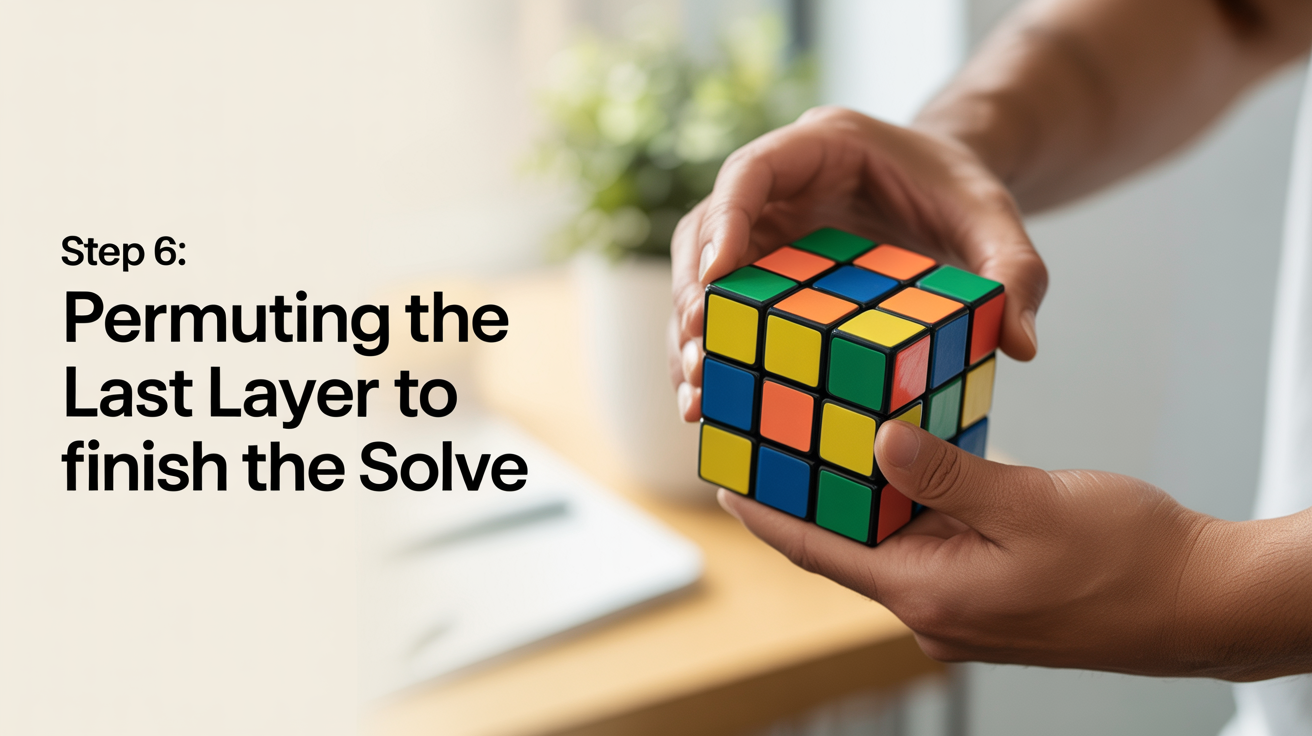
Step 6: Permuting the Last Layer to Finish the Solve
Learn how to finish a Rubik's cube last layer by cycling corners and edges into place with two beginner algorithms.
June 28, 2026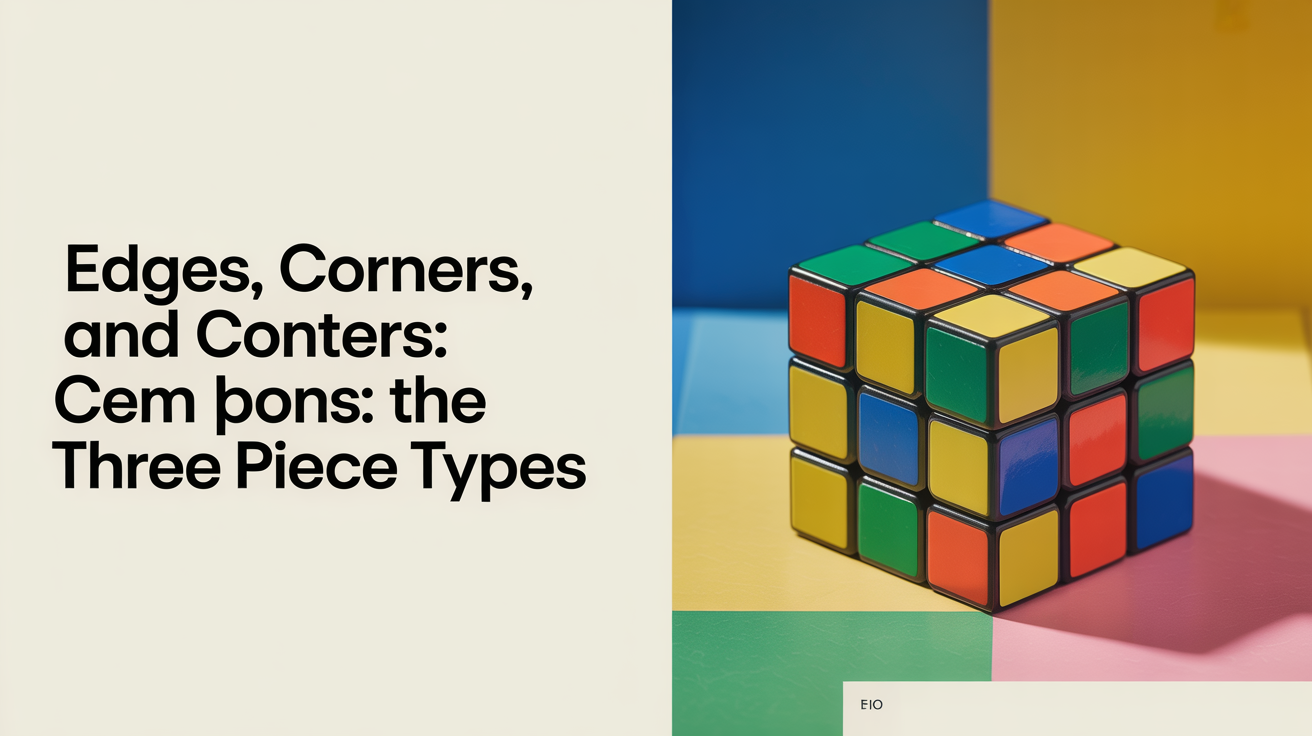
Edges, Corners, and Centers: The Three Piece Types
Learn the three types of pieces on a Rubik's Cube, corners, edges, and centers, and why knowing them makes solving much easier.
June 27, 2026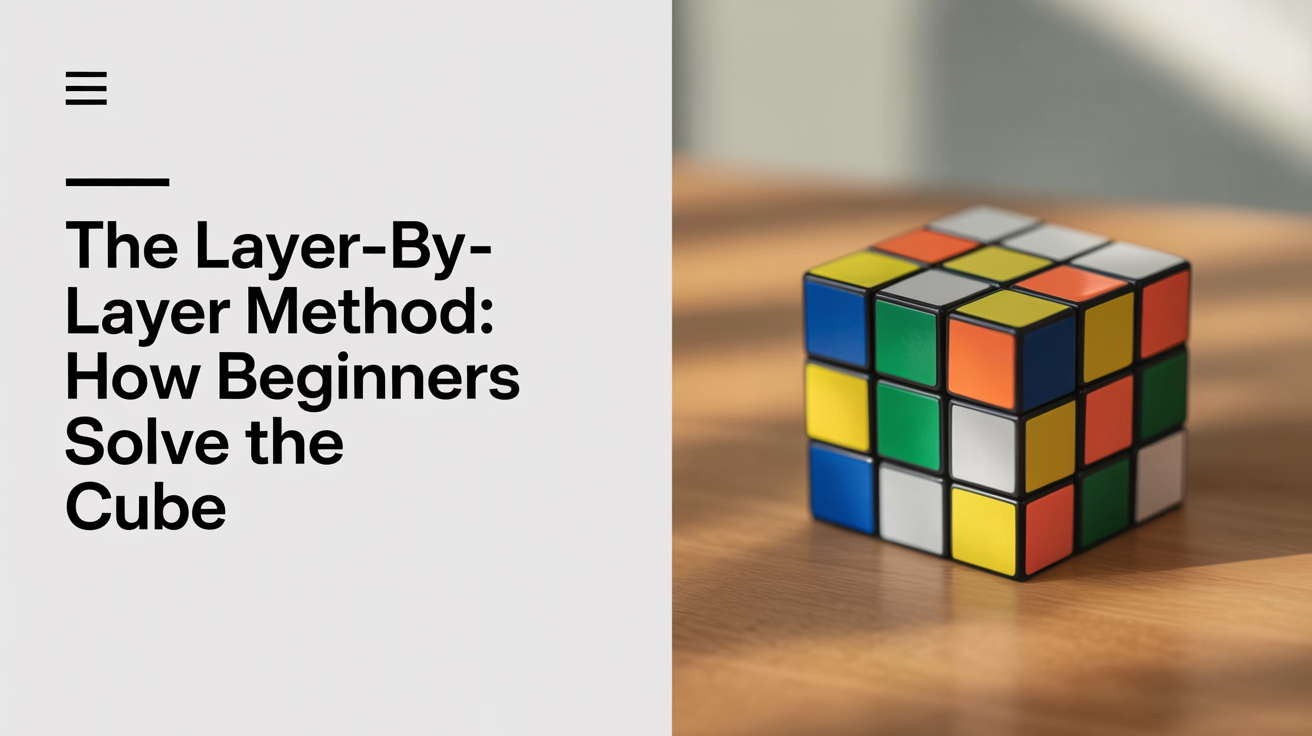
The Layer-by-Layer Method: How Beginners Solve the Cube
The layer-by-layer method breaks a Rubik's Cube into six beginner-friendly stages. Learn what each stage does and how few algorithms you actually need.
June 27, 2026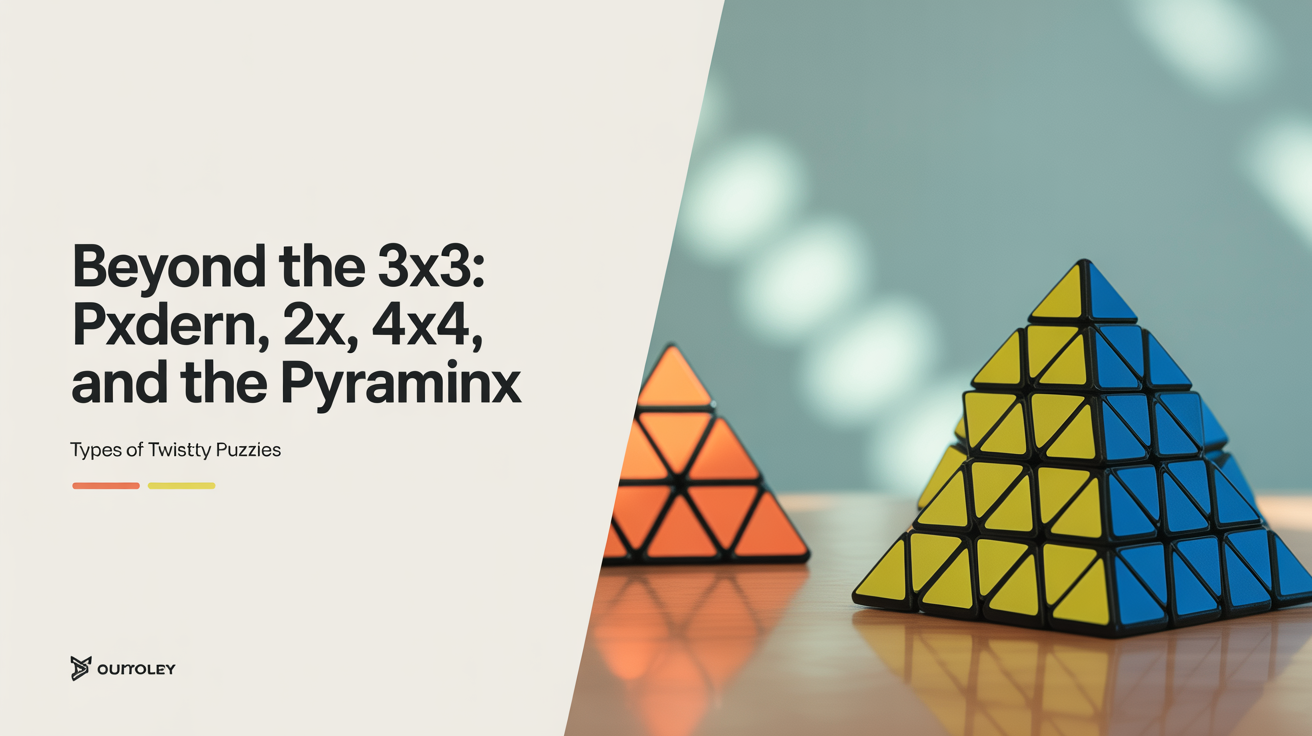
Beyond the 3x3: 2x2, 4x4, and the Pyraminx
A beginner's guide to popular twisty puzzles beyond the standard 3x3, covering the 2x2, 4x4, Pyraminx, Skewb, and Megaminx.
June 26, 2026
What Is Look-Ahead and How Do You Practice It?
Learn what look-ahead means in speedcubing, why it cuts your pauses, and how to practice it so your solve times drop steadily.
June 26, 2026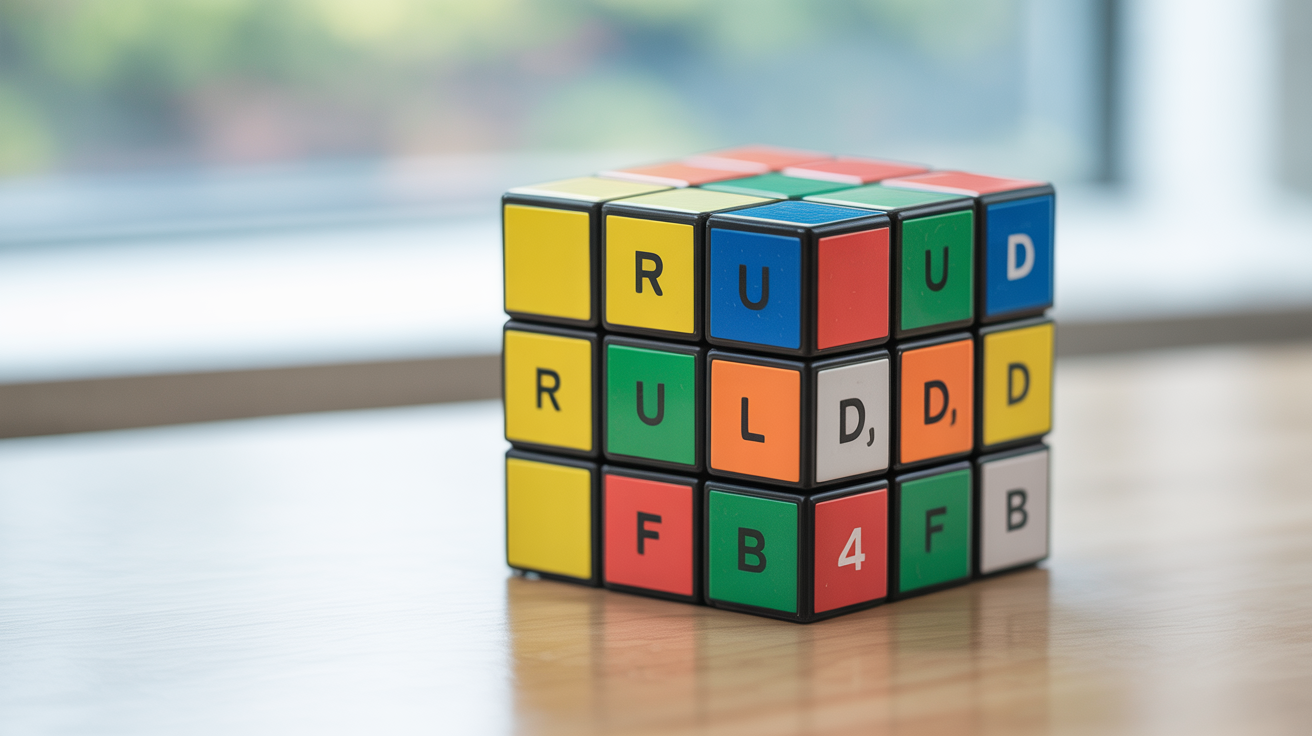
Rubik's Cube Notation Explained (R, U, L, D, F, B)
Learn what R, U, L, D, F, and B mean in Rubik's Cube notation — plus primes, doubles, wide moves, and how to read any algorithm as a beginner.
June 25, 2026
What Is Cross Efficiency and Why It Matters for Speed
Learn how cross efficiency cuts your Rubik's Cube solve time by reducing white cross moves from 10-15 down to 6-8 with simple planning habits.
June 25, 2026
How to Break Through a Speed Plateau
Stuck at the same cube time? Learn why progress stalls and how to break through a cubing plateau with look-ahead, F2L fixes, and smarter practice.
June 24, 2026
Step 5: Orienting the Last Layer (Yellow Face)
Learn how to orient the last layer corners so every sticker on the yellow face points up, using the Sune algorithm R U R' U R U2 R'.
June 24, 2026
How to Break In a New Speed Cube
A new speed cube feels stiff and rough right out of the box. Here's how to break it in with turning, lubing, and tension setup.
June 23, 2026
How to Solve a Rubik's Cube: A Beginner's Guide
Learn how to solve a Rubik's Cube step by step using the beginner layer-by-layer method. Most people get their first solve within a few days.
June 23, 2026
Double Turns and Wide Moves in Cube Notation
Learn what R2, U2, and wide moves mean in cube notation, including the 2 suffix, Rw moves, lowercase letters, and slice moves M, E, and S.
June 22, 2026
Step 4: How to Make the Yellow Cross
Learn how to make the yellow cross on your Rubik's Cube using one beginner algorithm. Covers the dot, L-shape, and line cases.
June 21, 2026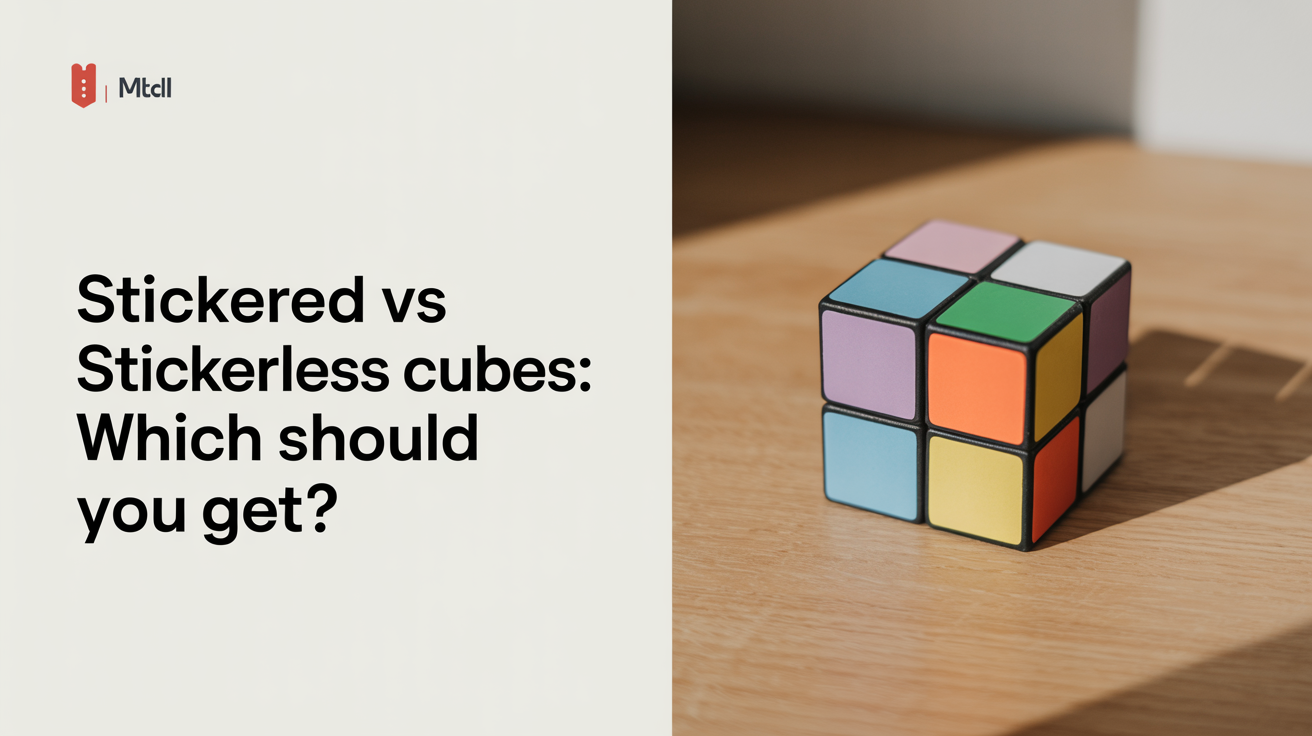
Stickered vs Stickerless Cubes: Which Should You Get?
Stickered or stickerless? Learn the real differences, which is better for beginners, and how to pick the right cube for you.
June 21, 2026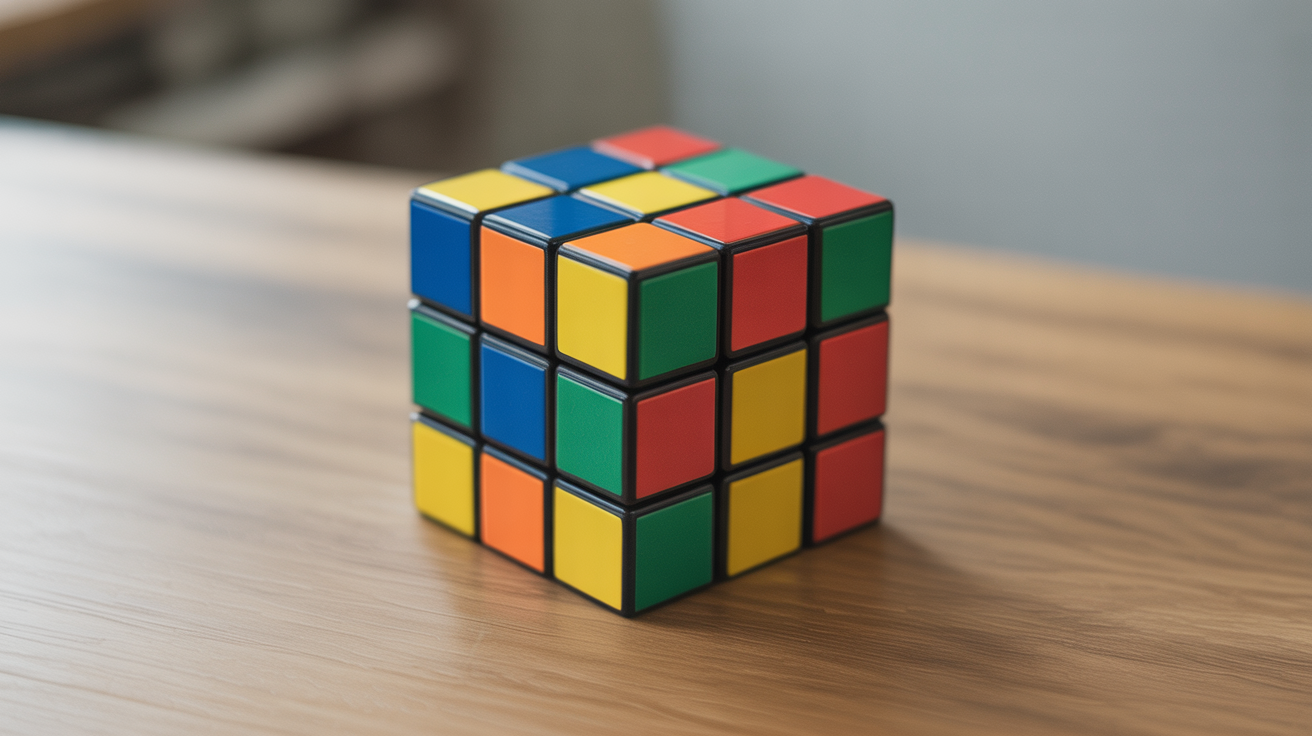
How to Solve the Rubik's Cube If You Keep Getting Stuck
Getting stuck mid-solve is normal. This guide pinpoints common sticking points on the middle and last layers so you can troubleshoot and finish.
June 20, 2026
How to Get Faster Solve Times as a Beginner
Practical steps to lower your Rubik's Cube solve time as a beginner, from tracking your average to building efficient practice habits.
June 19, 2026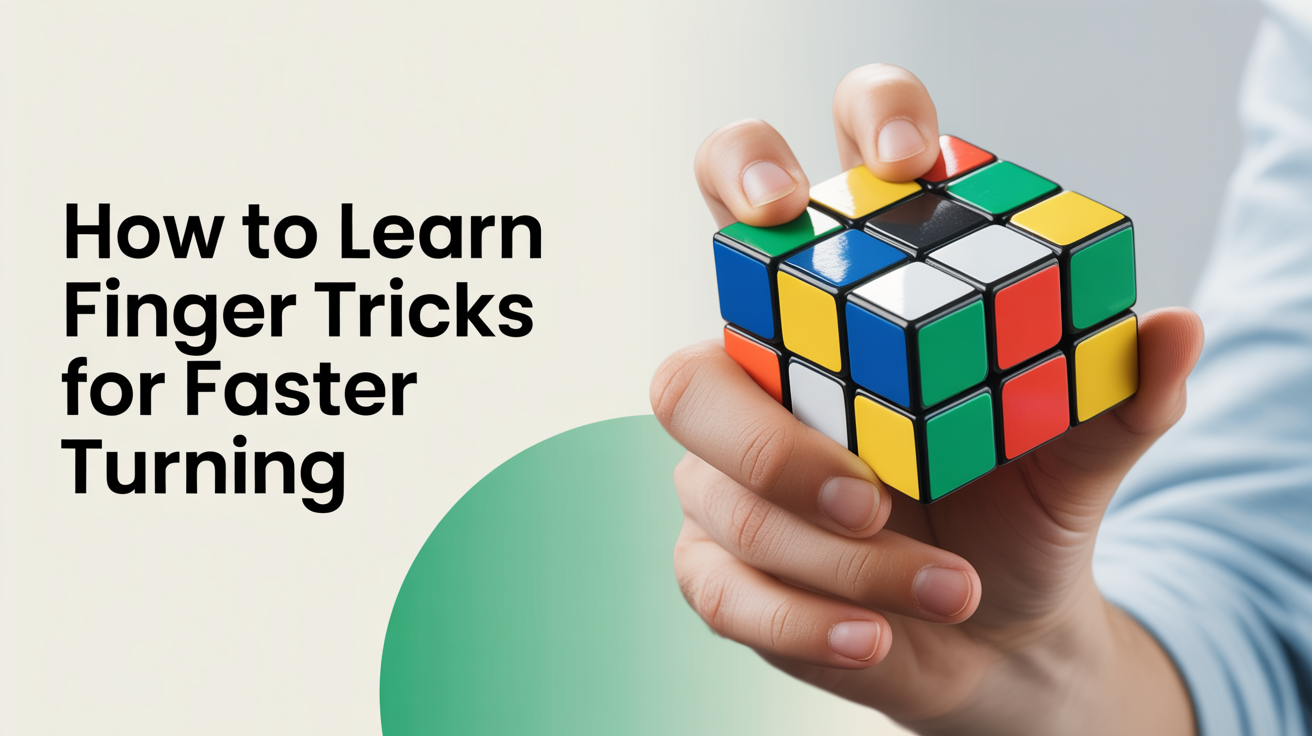
How to Learn Finger Tricks for Faster Turning
Learn how to turn the cube faster with finger tricks. A beginner-friendly guide to the moves that cut seconds off your solve time.
June 19, 2026
Common Beginner Cubing Mistakes (and How to Avoid Them)
Struggling to solve the Rubik's Cube? These common beginner mistakes are likely the reason, and each one has a simple fix.
June 18, 2026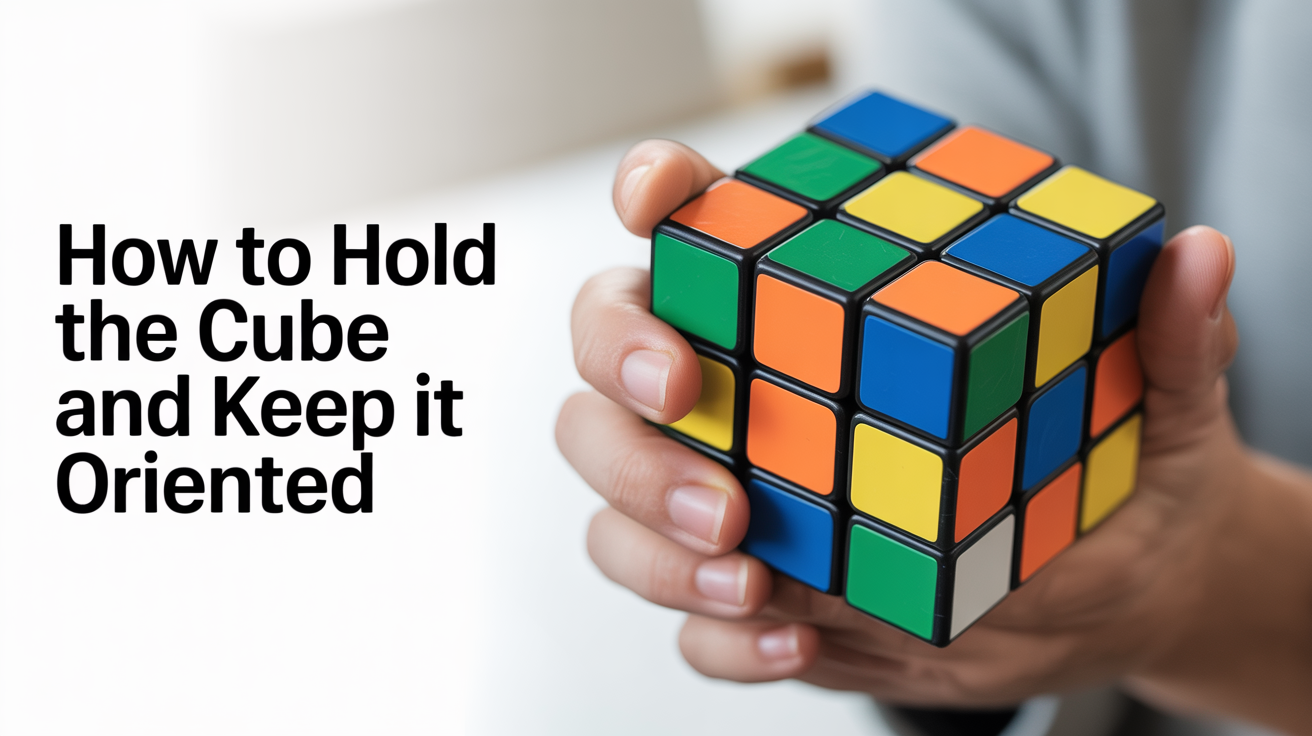
How to Hold the Cube and Keep It Oriented
Learn how to hold a Rubik's Cube correctly and maintain orientation while solving. Master the grip and cube rotations that prevent beginner mistakes.
June 17, 2026
The Beginner Cubing Glossary: Terms You Need to Know
Learn the essential Rubik's Cube terms every beginner needs — from cubies and algorithms to Ao5, PB, and CFOP. Plain definitions, no jargon assumed.
June 17, 2026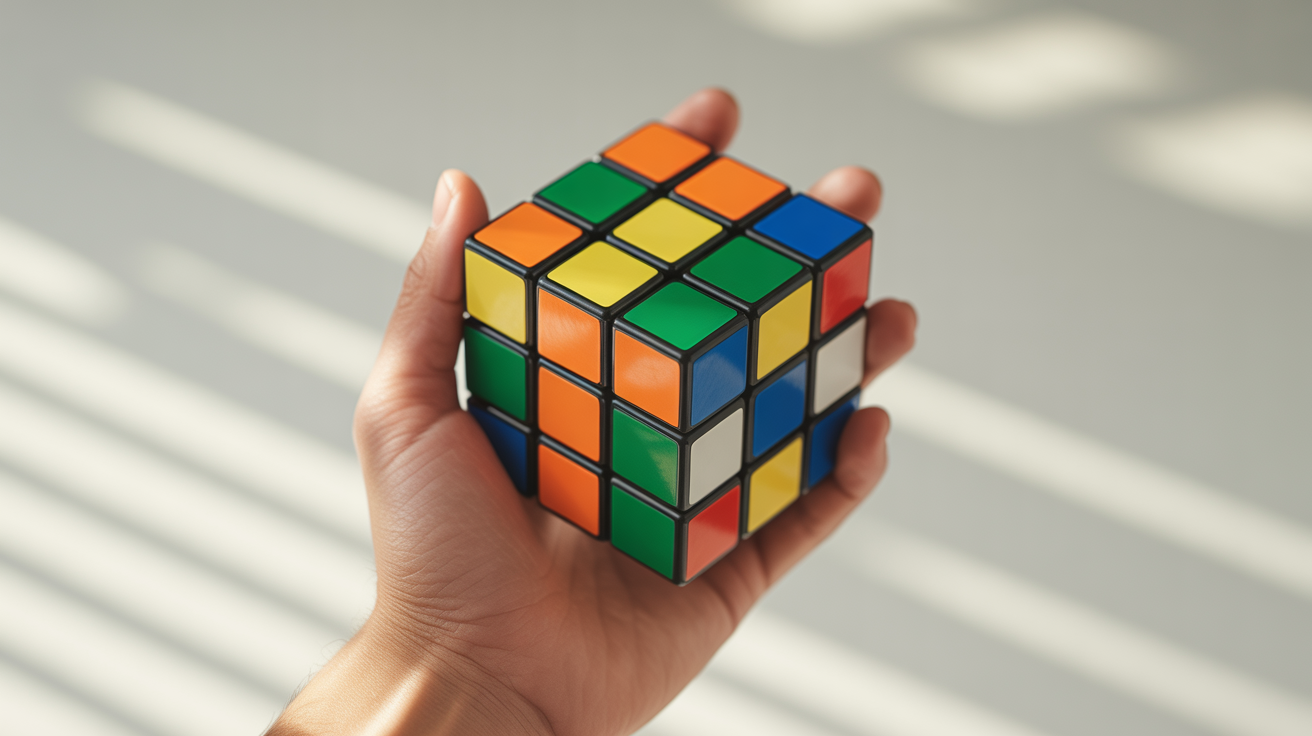
How to Read and Use a Cube Scrambler
Learn what a Rubik's Cube scrambler does, how to apply scramble notation correctly, and why using one makes your practice fairer and more useful.
June 16, 2026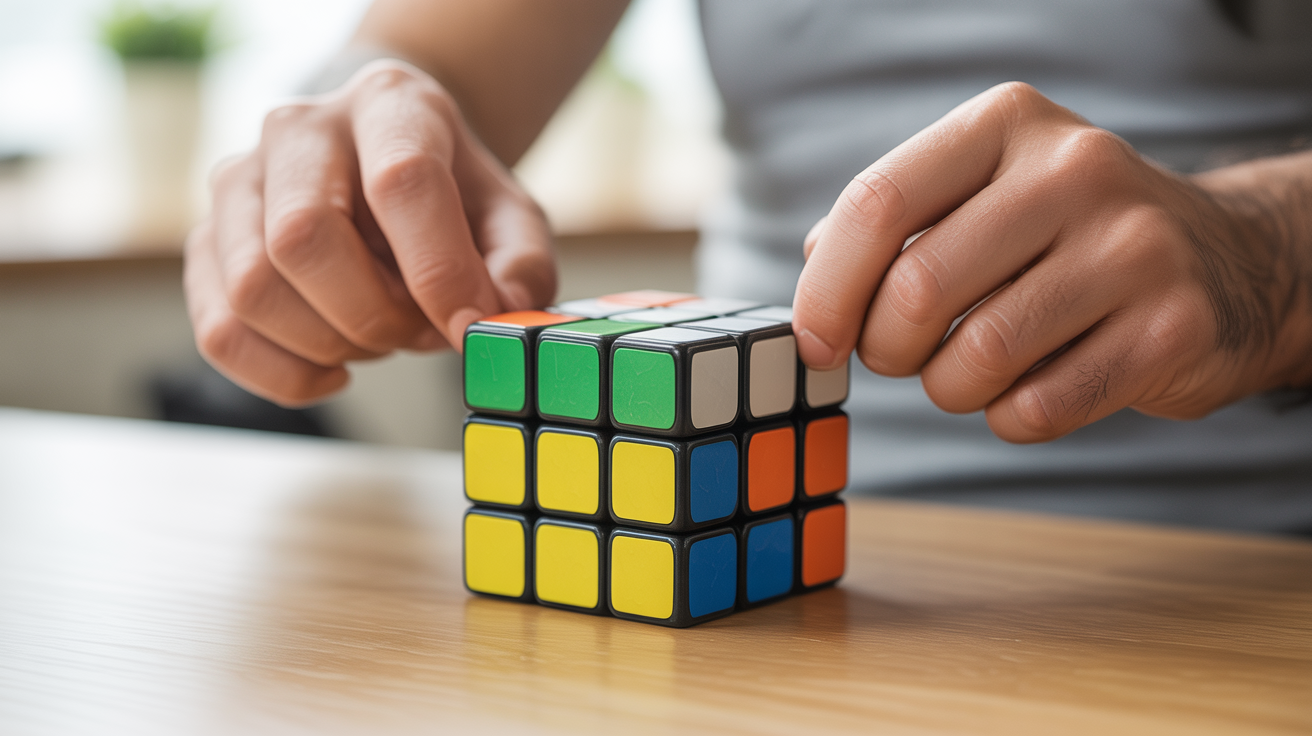
How to Tension a Speed Cube
Learn how to tension a speed cube for faster, smoother solves. Step-by-step guide to adjusting cube tension, whether you're loosening or tightening the layers.
June 15, 2026
OLL and PLL Explained for Beginners
Learn what OLL and PLL are, how they finish the last layer in CFOP, and how 2-look versions let beginners learn fewer algorithms without slowing down.
June 14, 2026
Step 3: How to Solve the Middle Layer Edges
Learn how to solve the middle layer of your Rubik's Cube using two simple algorithms. Complete step 3 of the beginner method and finish the first two layers.
June 14, 2026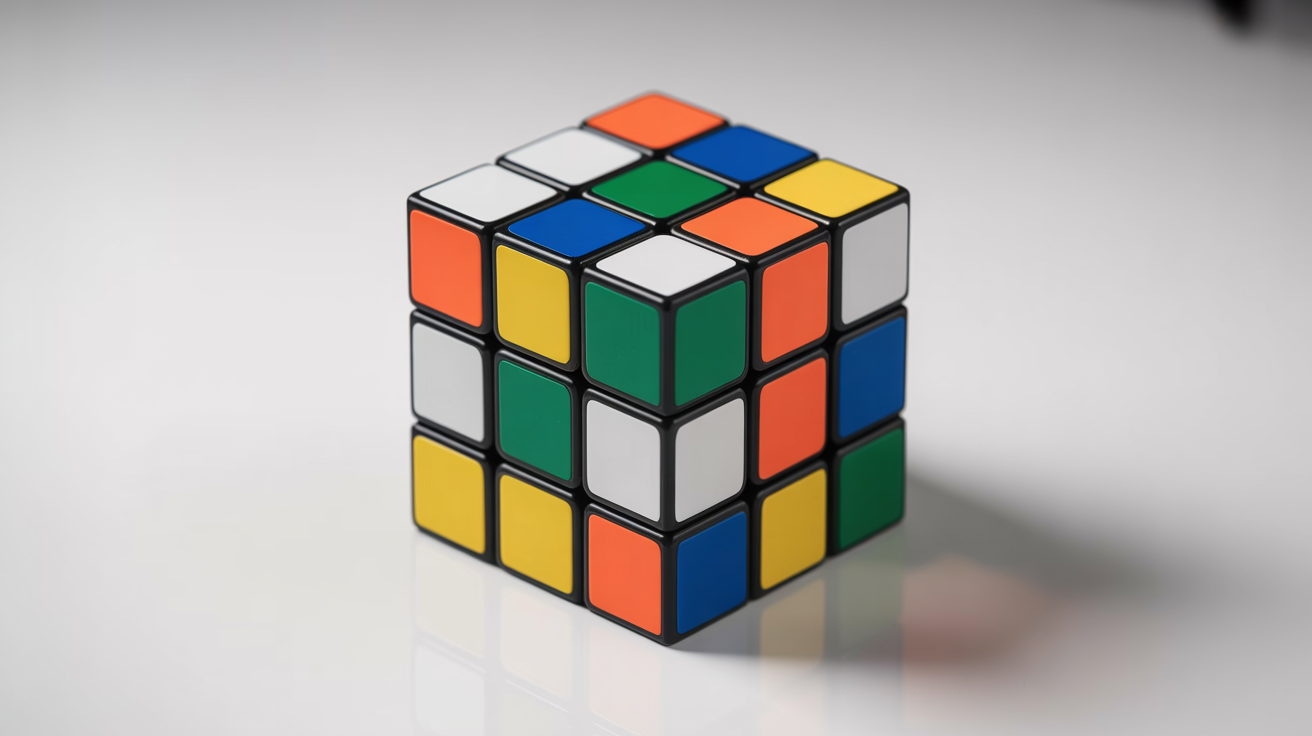
Why the Centers Never Move (and Why It Matters)
Rubik's Cube centers are fixed to an internal core and never change position relative to each other. Learn why this fact is the foundation of every solve.
June 13, 2026
A Realistic Practice Routine to Lower Your Times
A structured Rubik's Cube practice routine that builds real speed — timed solves, F2L look-ahead drills, finger tricks, and how to break through plateaus.
June 12, 2026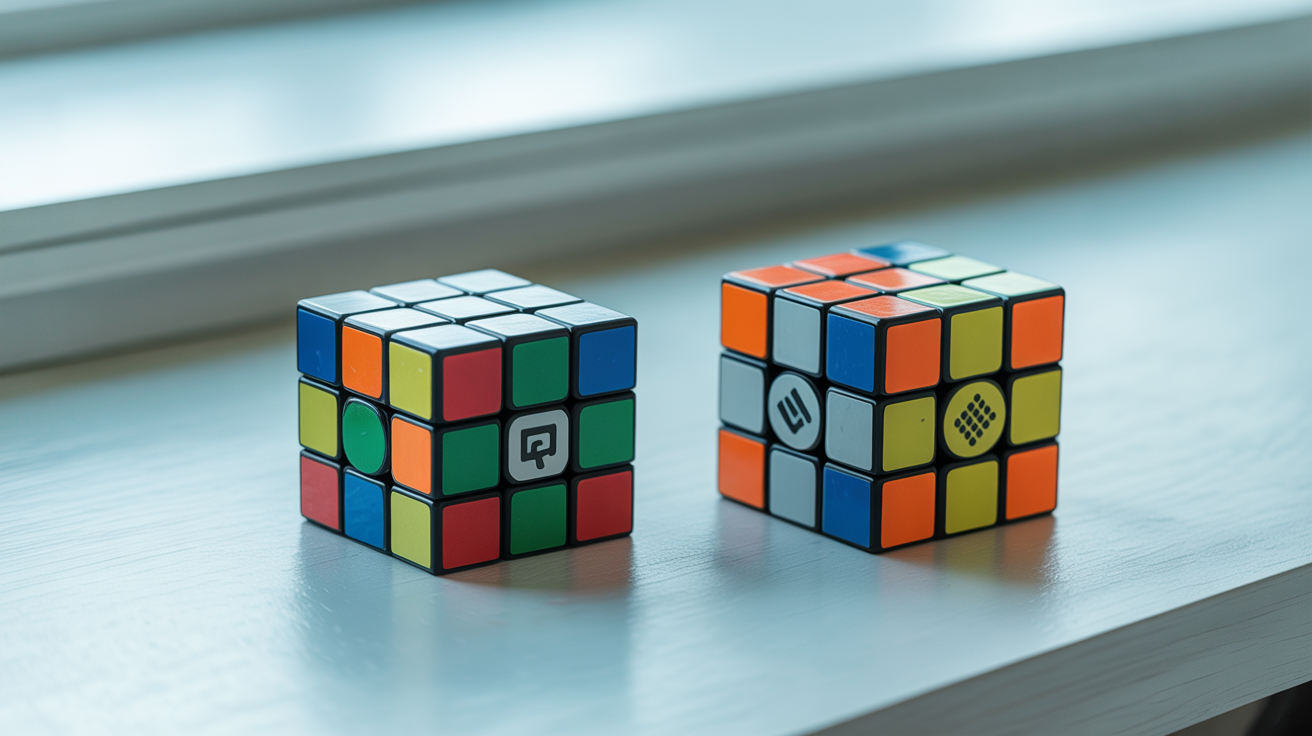
Speed Cube vs Original Rubik's Cube: What's the Difference?
Speed cube vs Rubik's Cube: how they differ in feel, turning, corner cutting, and magnets, plus which one beginners should actually buy.
June 12, 2026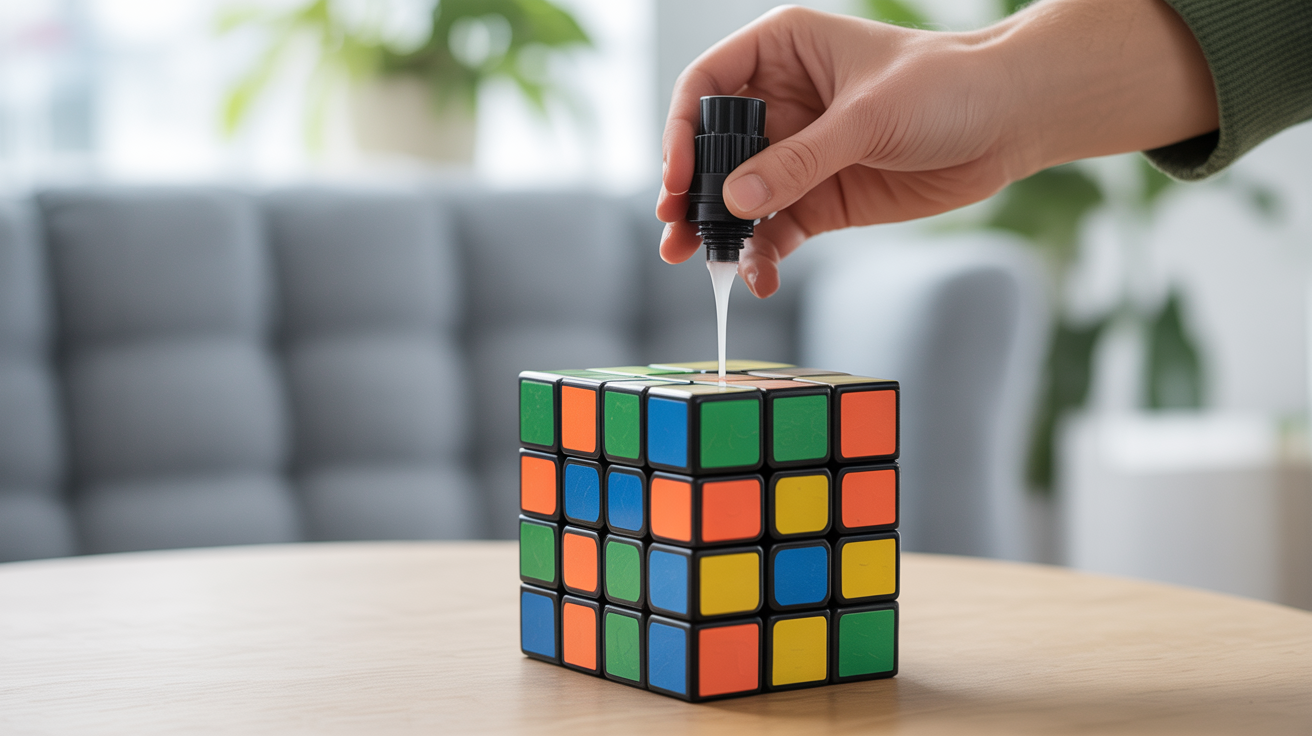
How to Lube a Speed Cube (and Why)
Learn how to lube a speed cube the right way — which products to use, how to apply them, and why lubing transforms a scratchy cube into a smooth solver.
June 11, 2026
Step 2: How to Solve the First Layer Corners
Learn how to solve the white corners on a Rubik's Cube using the beginner method. Place all four first-layer corners correctly in just a few moves.
June 10, 2026
What Is F2L (First Two Layers)?
F2L stands for First Two Layers, the second step of CFOP where you pair corners and edges together and insert them in one smooth move instead of two.
June 10, 2026
How to Read a Rubik's Cube Algorithm
Learn how to read Rubik's Cube algorithms step by step. Understand what each letter and symbol means so you can follow any solve sequence with confidence.
June 9, 2026
Is the Rubik's Cube Hard to Learn? What to Expect
Is the Rubik's Cube hard to learn? Most beginners complete their first solve in a few hours with the right method. Honest timeline and what actually takes work.
June 8, 2026
Magnetic vs Non-Magnetic Cubes: What's the Difference?
Learn how magnetic and non-magnetic speed cubes differ, which is better for beginners, and whether magnets are actually worth it for your solving style.
June 7, 2026
What Is an Average of 5 (Ao5)?
Learn what an average of 5 (Ao5) means in cubing, how it's calculated, why cubers use it, and how it differs from Ao12 and single solves.
June 7, 2026
Beginner Method vs CFOP: When to Make the Switch
Thinking about upgrading from the beginner method to CFOP? Learn what changes, when most solvers make the jump, and how to transition gradually.
June 6, 2026
Step 1: How to Solve the White Cross
Learn how to solve the white cross on a Rubik's Cube using the beginner-friendly daisy method. Step-by-step guide with tips for getting all four edges aligned.
June 5, 2026
What Does the Prime (') Symbol Mean in Cube Notation?
The prime symbol (') after a face letter means turn that face 90° counter-clockwise. Learn how R' differs from R and how to read algorithms fluently.
June 5, 2026
How Does a Rubik's Cube Work? Faces, Centers, and Pieces
Learn how a Rubik's Cube actually works — the fixed centers, 12 edges, 8 corners, and why understanding the parts makes solving click.
June 4, 2026